Blog

  • Ways Parents Can Encourage Better Learning Habits in Children
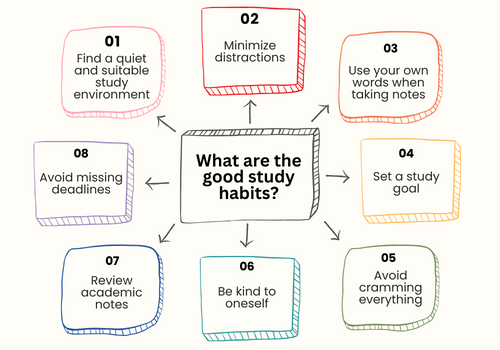
    Ways Parents Can Encourage Better Learning Habits in Children

    Parents play one of the most important roles in shaping a child’s attitude toward learning. Schools, teachers, and educational systems certainly influence academic growth, but the habits children develop at home often determine how they approach learning throughout life. A child’s curiosity, discipline, confidence, and relationship with education are strongly affected by the environment created by parents during the early years.

    In many households, learning is often associated mainly with examinations, homework, and academic performance. While grades and school achievements matter, true learning habits go far beyond completing assignments or memorizing textbook information. Good learning habits include curiosity, concentration, time management, reading, problem-solving, independent thinking, and the willingness to keep improving over time.

    Modern parenting has become more challenging because children now grow up in highly digital environments filled with distractions. Smartphones, video platforms, gaming, social media, and constant online entertainment compete heavily for children’s attention. As a result, many parents struggle to encourage focus, patience, and meaningful learning routines.

    At the same time, pressure on children has increased in many parts of the world. Academic competition, entrance examinations, and social expectations often create stress for both students and parents. Some families unintentionally focus so much on marks that children begin seeing learning as a burden rather than a positive experience.

    Encouraging healthy learning habits does not mean forcing children to study constantly. In fact, excessive pressure can sometimes reduce curiosity and motivation. Strong learning habits usually develop when children feel supported, emotionally secure, and encouraged to explore ideas independently.

    Parents who create balanced and positive learning environments often help children become not only better students, but also more confident and independent learners in the long term.

    Creating a Positive Home Environment Helps Children Enjoy Learning

    One of the most effective ways parents can encourage better learning habits is by creating a home environment where education feels valuable and enjoyable rather than stressful or frightening. Children naturally observe and absorb attitudes from adults around them. If learning is constantly connected with pressure, punishment, or fear of failure, children may begin avoiding academic challenges emotionally.

    Curiosity should be encouraged from an early age. Children often ask questions about how the world works, and parents who respond patiently help strengthen natural interest in learning. Even simple conversations about nature, science, books, history, or daily experiences can improve a child’s thinking ability and communication skills.

    Reading habits are especially important in childhood development. Parents who read with children regularly often help improve vocabulary, concentration, imagination, and comprehension skills naturally. Homes where books, discussions, and storytelling are common usually encourage stronger intellectual curiosity over time.

    Children also learn through observation. Parents who show interest in reading, learning new skills, or discussing ideas often influence children positively without direct instruction. A child who sees adults valuing knowledge is more likely to develop respect for learning independently.

    Creating routines is another important factor. Consistent schedules for study, sleep, meals, and recreation help children develop discipline and stability. Random or chaotic routines can make concentration and organization more difficult.

    At the same time, balance is essential. Children need time for play, creativity, physical activity, and rest alongside academics. Overloading children with continuous study schedules or excessive classes can lead to mental exhaustion and reduced motivation.

    Technology management has become one of the biggest modern parenting challenges. Digital devices can support education when used properly, but excessive screen time often affects concentration and reading habits negatively. Parents who establish healthy boundaries around entertainment technology usually help children focus more effectively.

    Comparisons with other children should also be avoided whenever possible. Constant comparison can damage confidence and create unnecessary anxiety. Every child learns differently, and focusing only on rankings or competition may discourage genuine interest in learning.

    Encouragement is generally more effective than criticism. Children who feel emotionally supported are often more willing to attempt difficult tasks and recover from mistakes. When parents react harshly to poor performance, children may begin fearing failure instead of learning from it.

    Another important factor is listening. Parents who understand their child’s interests, struggles, and learning style can provide better guidance. Some children learn visually, while others prefer discussion, practical activities, or independent exploration. Flexible support often works better than rigid expectations.

    Building Discipline, Confidence, and Independent Learning Skills

    Good learning habits are not built overnight. They develop gradually through consistency, patience, and repeated practice. One of the most valuable things parents can teach children is self-discipline because long-term success depends heavily on the ability to manage responsibilities independently.

    Helping children set realistic goals can improve motivation significantly. Large academic tasks often feel overwhelming, but smaller achievable goals create progress and confidence gradually. Children who experience steady improvement usually become more motivated to continue learning.

    Time management skills are equally important. Many children struggle not because they lack intelligence, but because they do not know how to organize their time effectively. Parents can help by teaching children how to plan homework, revision, hobbies, and relaxation in balanced ways.

    Independence should also be encouraged carefully. Some parents become overly involved in every academic task, constantly supervising or solving problems for children. While support is important, children also need opportunities to think independently and solve challenges themselves.

    Mistakes should ideally be treated as part of learning rather than proof of failure. Children who fear making mistakes often avoid difficult subjects or creative thinking because they become too focused on perfect performance. Parents who encourage effort and improvement instead of perfection usually help children develop healthier attitudes toward learning.

    Communication skills also influence learning success. Children who feel comfortable expressing thoughts, asking questions, and discussing ideas often become more confident learners. Open family discussions can strengthen analytical thinking and curiosity naturally.

    Problem-solving activities outside academics are valuable as well. Games, puzzles, creative projects, storytelling, building activities, and real-life responsibilities all help children develop thinking skills beyond textbooks.

    Confidence is closely connected to learning ability. Children who believe they are capable usually approach challenges with greater persistence. On the other hand, children constantly criticized or pressured may begin doubting themselves even when they have strong potential.

    Emotional support becomes especially important during adolescence when academic pressure often increases significantly. Teenagers may experience stress, self-doubt, or fear about exams and future careers. Parents who provide reassurance and understanding help reduce emotional pressure while still encouraging responsibility.

    Another important lesson parents can teach is the value of lifelong learning. Education should not appear limited only to school examinations. Children benefit when they understand that learning continues throughout life through reading, experiences, conversations, and curiosity.

    Modern careers are changing rapidly because of technology and globalization. Future success may depend heavily on adaptability and continuous learning. Parents who encourage curiosity and independent thinking help prepare children for these changing realities.

    The Most Powerful Learning Habit Is Developing a Love for Learning

    One of the greatest gifts parents can give children is helping them develop a genuine love for learning. This is more valuable than temporary academic success because children who enjoy learning usually continue growing intellectually throughout life.

    When learning becomes connected only to pressure and competition, children may study only for external rewards such as marks, praise, or fear of punishment. Once those pressures disappear, motivation often declines. However, children who develop curiosity and intrinsic interest continue learning independently even without external pressure.

    Encouraging exploration helps build this mindset. Children should have opportunities to discover interests beyond school subjects, whether in science, art, sports, music, technology, literature, or practical skills. Diverse experiences often strengthen creativity and confidence.

    Questions should be welcomed instead of discouraged. Curious children sometimes ask difficult or repetitive questions, but this curiosity is an important part of intellectual growth. Parents who encourage questioning help children develop analytical thinking rather than passive acceptance of information.

    Patience is essential because every child develops differently. Some children show academic strength early, while others improve gradually over time. Focusing only on short-term performance may prevent parents from recognizing deeper abilities such as creativity, emotional intelligence, leadership, or problem-solving potential.

    Healthy learning habits also depend on emotional well-being. Children learn more effectively when they feel safe, respected, and emotionally supported. Fear-based parenting may produce temporary discipline but often damages confidence and curiosity in the long term.

    Modern educational success increasingly requires skills beyond memorization. Critical thinking, communication, adaptability, creativity, and emotional intelligence are becoming just as important as examination scores. Parents who encourage balanced development help children prepare for future realities more effectively.

    Technology will continue shaping education in the coming years, but human guidance will remain deeply important. Children still need emotional encouragement, values, discipline, and meaningful relationships that technology alone cannot provide.

    The goal of parenting should not simply be creating high-scoring students, but helping children become thoughtful, confident, and independent individuals who know how to learn throughout life. Strong learning habits ultimately influence not only academic success, but also career growth, emotional resilience, and personal development.

    As the world becomes more competitive and digitally distracted, children who develop curiosity, discipline, focus, and love for learning may gain one of the greatest long-term advantages possible. Parents play a central role in building that foundation every day through the environment, attitudes, and encouragement they provide at home.

  • The Future of Education in a World Driven by Technology

    The Future of Education in a World Driven by Technology

    Education is undergoing one of the biggest transformations in human history. For centuries, learning followed relatively similar patterns. Students attended physical classrooms, teachers delivered lessons, textbooks provided information, and examinations measured academic performance. While educational systems evolved gradually over time, the core structure remained largely unchanged for generations.

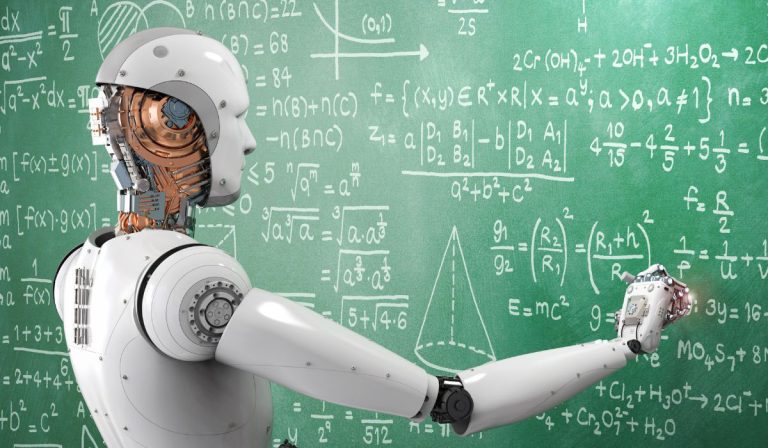
    Today, technology is changing that structure at an extraordinary speed. Artificial intelligence, online learning platforms, virtual classrooms, automation, digital communication, and global internet access are reshaping how people learn and how knowledge is shared. The future of education is no longer limited to schools, universities, or traditional teaching methods. Learning is becoming more flexible, personalized, interactive, and connected to real-world skills.

    Students now have access to information from almost anywhere in the world within seconds. A learner sitting in a small town can attend online lectures from global experts, practice languages through AI-powered tools, or study advanced subjects through digital platforms. The idea that education must happen only inside classrooms is gradually disappearing.

    At the same time, this technological transformation raises important questions. What will happen to traditional schools and universities? Will artificial intelligence replace teachers? How can students remain focused in highly digital environments? Which skills will matter most in future careers?

    Technology is not simply adding new tools to education. It is changing the meaning of education itself. The future may depend less on memorizing information and more on learning how to think critically, adapt continuously, and use technology responsibly.

    Technology Is Making Education More Flexible and Personalized

    One of the most significant changes technology has brought to education is flexibility. Traditional education systems usually follow fixed schedules, standardized lessons, and classroom-based instruction. While this structure works for some students, others struggle because people learn at different speeds and in different ways.

    Technology is helping create more personalized learning experiences. Artificial intelligence and adaptive learning systems can analyze student performance and provide customized lessons according to individual strengths and weaknesses. A student struggling with mathematics may receive additional practice and simplified explanations, while another learner can move ahead more quickly.

    This personalization has the potential to reduce one of the biggest problems in traditional education systems: treating all students the same despite differences in learning style, pace, and interests.

    Online education is also making learning more accessible globally. Earlier, high-quality education was often limited by geography, economic background, or institutional access. Students living in remote areas or from lower-income families had fewer opportunities compared to those in major cities or expensive schools.

    Digital learning platforms are gradually reducing these barriers. Students can now access courses, tutorials, certifications, and educational communities from home. This democratization of knowledge may create greater educational equality over time, although internet access and digital infrastructure still remain challenges in many regions.

    Hybrid education models are becoming more common as well. Instead of choosing entirely between online and offline learning, many institutions are combining both methods. Students may attend physical classrooms for discussions and collaboration while using digital platforms for assignments, recorded lessons, and personalized practice.

    Technology is also making learning more interactive. Virtual reality, simulations, and AI-powered educational tools can create immersive learning experiences that go beyond textbooks. Medical students may practice procedures virtually, history students may explore historical environments digitally, and science learners may conduct simulations that would otherwise be difficult or expensive in traditional classrooms.

    The future of education may also involve more lifelong learning rather than education ending after graduation. Industries are changing rapidly because of automation and artificial intelligence, meaning workers will likely need to update skills continuously throughout their careers.

    Technology supports this shift by allowing adults to learn flexibly alongside work and personal responsibilities. Short courses, online certifications, and self-paced learning may become increasingly normal for professionals across industries.

    Another important change is the growing emphasis on skills rather than degrees alone. Employers increasingly value practical abilities, adaptability, and problem-solving skills. Technology-based education often focuses more directly on real-world applications and project-based learning compared to purely theoretical instruction.

    Artificial Intelligence and Automation Are Changing Educational Priorities

    Artificial intelligence is likely to become one of the most influential forces in future education systems. AI tools can already generate explanations, summarize information, assist with language learning, provide instant feedback, and personalize educational content. As these technologies improve, their influence on classrooms and learning environments will continue expanding.

    However, the rise of AI also changes what students actually need to learn. In the past, education focused heavily on memorization because access to information was limited. Today, information is instantly available through search engines and AI systems. Because of this, future education may prioritize skills that machines cannot easily replace.

    Critical thinking, creativity, emotional intelligence, communication, leadership, and ethical reasoning are becoming increasingly important because they remain deeply human abilities. Students who only memorize information may struggle in a world where AI can retrieve facts instantly.

    Problem-solving skills will also become more valuable. Future workplaces may depend heavily on collaboration between humans and intelligent systems. Employees will need to analyze situations, make decisions, and adapt to unfamiliar challenges instead of simply following repetitive processes.

    Teachers themselves may experience major changes in their roles. Technology is unlikely to replace teachers entirely because education involves emotional support, mentorship, motivation, and human connection. However, educators may shift from being primary information providers to becoming facilitators and guides who help students interpret knowledge and think independently.

    This shift could improve classroom experiences if technology handles repetitive administrative tasks while teachers focus more on discussion, creativity, and individual support.

    Assessment systems may also change significantly. Traditional examinations often measure memorization and short-term recall. Future education systems may place greater emphasis on practical projects, collaboration, creativity, and real-world problem-solving.

    At the same time, technology introduces serious challenges that educational systems must address carefully. One major issue is distraction. Students today already face constant interruptions from social media, entertainment platforms, and digital notifications. Maintaining concentration in technology-rich environments may become increasingly difficult.

    Another concern is overdependence on AI tools. If students rely entirely on automated systems for answers, they may weaken independent thinking and deep learning habits. The challenge for future education will be finding balance between technological assistance and genuine intellectual development.

    Data privacy and ethical issues are also becoming important. Educational technologies collect large amounts of student information, raising questions about security, surveillance, and responsible data usage.

    Economic inequality remains another challenge. While technology can expand access to education, not everyone has equal access to high-speed internet, modern devices, or digital resources. Without proper investment, technological education systems may unintentionally increase existing inequalities.

    The Future of Education Will Require Human Skills Alongside Technology

    Despite rapid technological progress, the future of education will likely depend not only on digital tools but also on preserving essential human qualities. Technology can provide information quickly, but education is about far more than information alone.

    Human interaction remains critical for emotional growth, collaboration, empathy, and social development. Students learn not only from lessons but also from discussions, teamwork, mentorship, and shared experiences. Future educational systems will need to balance technological efficiency with meaningful human connection.

    Creativity may become one of the most valuable future skills because innovation often depends on imagination and original thinking. While AI can assist with generating ideas, human creativity remains deeply connected to emotion, culture, and personal experience.

    Communication skills will also remain essential. In increasingly global and digital workplaces, people must know how to express ideas clearly, collaborate across cultures, and build relationships effectively. Technology may change communication methods, but the need for strong interpersonal ability will likely continue growing.

    Adaptability will become equally important because future careers may change multiple times during a person’s life. Students will need to become comfortable learning continuously and adjusting to new technologies, industries, and social realities.

    The idea of lifelong education may eventually replace the traditional model where learning ends after university graduation. People may regularly return to education throughout adulthood to develop new skills and remain professionally relevant.

    Educational systems may also become more interdisciplinary. Instead of separating subjects rigidly, future learning may combine technology, creativity, communication, psychology, business, and ethics more naturally because real-world problems are rarely limited to single disciplines.

    Another likely change is the growing importance of self-learning. Students already have access to vast educational resources independently through the internet. Future education may focus more on teaching learners how to think critically, research effectively, and learn independently rather than simply delivering information.

    Parents and educators will play important roles in guiding students through this transformation. Young people must learn not only how to use technology, but also how to use it responsibly and thoughtfully. Digital literacy, ethical awareness, and mental balance may become essential parts of education itself.

    Technology-driven education also creates opportunities for more inclusive learning environments. Students with disabilities, language barriers, or non-traditional educational paths may benefit significantly from adaptive technologies and flexible learning systems.

    The future of education is unlikely to be fully digital or fully traditional. Instead, it will probably combine technological innovation with human guidance in ways that make learning more accessible, personalized, and practical.

    As the world becomes increasingly shaped by artificial intelligence, automation, and global digital networks, education must prepare students not only for jobs, but also for thoughtful participation in a rapidly changing society. The students who succeed in the future may not simply be those who memorize the most information, but those who know how to think independently, adapt continuously, communicate effectively, and use technology wisely while remaining deeply human.

  • How Reading Habits Improve Learning Ability and Creativity

    How Reading Habits Improve Learning Ability and Creativity

    Reading has always been one of the most powerful tools for human growth. Long before the internet and digital technology existed, books were the primary way people shared knowledge, ideas, history, and imagination across generations. Even today, in a world dominated by smartphones, short videos, and social media, reading remains deeply connected to learning, creativity, and intellectual development.

    However, modern reading habits are changing rapidly. Many people consume information through short online posts, headlines, or quick summaries rather than deep reading. Attention spans are becoming shorter, and distractions are everywhere. As a result, consistent reading habits are becoming less common among students and young adults in many parts of the world.

    At the same time, those who maintain strong reading habits often gain important advantages in learning and creative thinking. Reading does far more than improve language skills. It strengthens concentration, expands imagination, increases knowledge, improves communication, and develops the ability to think critically and independently.

    Unlike passive entertainment, reading requires active mental engagement. The brain must process ideas, visualize information, understand emotions, connect concepts, and interpret meaning continuously. This mental exercise improves cognitive ability in ways that many other forms of content consumption cannot easily match.

    Reading also exposes people to different cultures, perspectives, experiences, and ways of thinking. It allows individuals to explore worlds beyond their immediate surroundings and understand ideas they may never encounter in daily life. This broader understanding contributes directly to both learning ability and creativity.

    In a rapidly changing world where knowledge and innovation are increasingly valuable, strong reading habits may become one of the most important foundations for lifelong intellectual growth.

    Reading Strengthens Focus, Memory, and Learning Skills

    One of the biggest benefits of reading is its effect on concentration. Modern digital environments constantly compete for attention through notifications, short videos, advertisements, and endless scrolling. Many people now struggle to focus deeply for extended periods because their minds have become accustomed to quick stimulation.

    Reading trains the brain to maintain attention for longer durations. When people read books, articles, or long-form content carefully, they practice sustained focus. This ability improves learning because concentration is essential for understanding and retaining information effectively.

    Students with strong reading habits often develop better comprehension skills as well. Reading regularly exposes the brain to complex ideas, sentence structures, and patterns of reasoning. Over time, this strengthens the ability to process information quickly and understand difficult concepts more easily.

    Vocabulary growth is another major advantage. Readers naturally encounter new words, expressions, and styles of communication across different types of texts. This improves not only language ability but also overall confidence in speaking and writing.

    Memory also benefits from reading. While reading, the brain continuously remembers characters, arguments, facts, themes, and connections between ideas. This repeated mental activity strengthens memory-related functions over time.

    Reading encourages active learning instead of passive information consumption. When students read deeply, they ask questions, imagine situations, and connect new ideas with previous knowledge. This process improves long-term understanding far more effectively than simply memorizing information for examinations.

    Critical thinking develops naturally through reading as well. Readers learn to evaluate arguments, identify patterns, compare perspectives, and analyze ideas independently. Fiction and non-fiction both contribute to this growth in different ways.

    Non-fiction reading increases knowledge about history, science, psychology, politics, philosophy, business, and countless other subjects. Fiction, meanwhile, improves emotional understanding, imagination, empathy, and interpretation of human behavior.

    People who read widely usually become more curious learners. Reading introduces new interests and encourages exploration beyond formal education systems. A student may begin reading about technology, history, economics, or creativity simply out of curiosity and eventually discover career interests or lifelong passions.

    Academic performance often improves because reading strengthens multiple learning-related abilities simultaneously. Students who read regularly generally develop better writing skills, stronger analytical thinking, and improved comprehension across subjects.

    Another important benefit is patience. Reading requires mental discipline because understanding deep ideas takes time and reflection. In contrast to instant digital entertainment, reading encourages slower and more thoughtful engagement with information.

    This patience becomes valuable in education and professional life because meaningful learning rarely happens instantly. People who are comfortable with deep reading often handle complex subjects more effectively than those accustomed only to fast and fragmented content.

    Reading Expands Imagination and Enhances Creative Thinking

    Creativity is often misunderstood as a natural talent possessed only by artists or highly imaginative individuals. In reality, creativity is strongly connected to exposure, curiosity, and the ability to connect ideas in new ways. Reading plays a major role in developing these abilities.

    When people read, especially fiction, the brain creates mental images and emotional experiences internally. Unlike movies or videos that present visuals directly, reading forces imagination to participate actively. Readers visualize environments, characters, conversations, and emotions using their own minds.

    This mental activity strengthens creative thinking because imagination becomes more flexible and detailed over time. Creative individuals often draw inspiration from ideas, stories, perspectives, and experiences they encountered through reading.

    Reading also exposes people to different styles of thinking. Authors from various cultures and backgrounds approach problems, emotions, and storytelling differently. This diversity broadens intellectual perspective and encourages original thinking.

    Innovation often happens when people combine ideas from multiple fields. A business entrepreneur may gain inspiration from psychology, history, or literature. A designer may learn storytelling techniques from novels. A scientist may approach problems creatively because of philosophical or imaginative influences.

    Reading creates these intellectual connections by introducing readers to ideas beyond their immediate environment. People who read widely usually have access to larger mental libraries of concepts and experiences, which supports creativity in both personal and professional life.

    Empathy is another important part of creativity that reading strengthens. Stories allow readers to understand different emotions, struggles, motivations, and human experiences. This emotional understanding improves communication, collaboration, and artistic expression.

    Creative problem-solving also improves through reading because readers encounter different perspectives and situations regularly. They learn that problems can often be approached from multiple angles instead of relying on fixed solutions.

    Writers, filmmakers, entrepreneurs, researchers, and innovators throughout history have often been strong readers because reading feeds imagination continuously. It introduces fresh ideas and prevents thinking from becoming narrow or repetitive.

    Reading also improves storytelling ability, which has become increasingly valuable in modern careers. Marketing, leadership, teaching, branding, and public speaking all depend heavily on communication and narrative skills. People who read regularly often express ideas more effectively because they understand language and structure more deeply.

    Digital content can provide information quickly, but deep reading encourages reflection and imagination in ways that fast online consumption often does not. Endless scrolling may provide stimulation, but it rarely creates the same intellectual depth or creative engagement as thoughtful reading.

    Another major advantage is intellectual independence. Readers learn how to spend time thinking quietly and independently rather than depending constantly on external entertainment or social media validation. This independent mental space often becomes the foundation for original ideas and personal creativity.

    Building Reading Habits in a Distracted World Is Becoming More Important

    Despite its many benefits, maintaining reading habits has become increasingly difficult in modern digital culture. Smartphones, streaming platforms, social media, and short-form content constantly compete for attention. Many people find it challenging to focus on books or long articles because their minds are accustomed to rapid stimulation.

    However, this is exactly why reading habits are becoming even more valuable. In a world full of distractions, the ability to focus deeply and think independently may become a major advantage in education, careers, and personal growth.

    Building reading habits does not necessarily require reading large books immediately. Small daily reading routines often create lasting results over time. Even reading for twenty or thirty minutes regularly can strengthen concentration and intellectual curiosity gradually.

    Choosing enjoyable material is also important. Many students associate reading only with academic pressure because they rarely explore books related to personal interests. Reading becomes easier to maintain when people genuinely enjoy the topics they explore.

    Variety also helps. Fiction, biographies, history, psychology, science, business, philosophy, and creative writing all contribute differently to intellectual development. Reading across different subjects creates broader understanding and stronger creative connections.

    Physical books, e-books, and audiobooks all provide opportunities for learning, although deep reading with focused attention usually produces the strongest cognitive benefits. The key factor is thoughtful engagement rather than simply consuming information quickly.

    Parents and educational systems also influence reading habits significantly. Children who grow up around books and discussions about ideas often develop stronger curiosity and imagination naturally. Encouraging reading as exploration rather than obligation can create healthier relationships with learning.

    The rise of artificial intelligence and automation may make human creativity and critical thinking even more valuable in the future. Machines can process information rapidly, but imagination, emotional understanding, storytelling, and original thinking remain deeply human strengths. Reading helps develop all of these abilities.

    Strong reading habits ultimately improve more than academic performance. They shape how people think, communicate, imagine, and understand the world. Readers often become better learners because they develop patience, concentration, curiosity, and analytical ability simultaneously.

    Creativity also grows because reading continuously introduces fresh perspectives, emotions, and possibilities. The mind becomes more flexible, open, and capable of generating original ideas.

    In a fast-moving world where attention is constantly divided, reading remains one of the few activities that encourages deep thought and meaningful intellectual growth. People who continue reading consistently may not only learn more effectively, but also develop richer imagination, stronger communication skills, and greater ability to adapt creatively throughout life.

  • Why Critical Thinking Is More Important Than Exam Marks

    Why Critical Thinking Is More Important Than Exam Marks

    For generations, exam marks have been treated as one of the most important measures of intelligence and success. Students are often judged by percentages, grades, rankings, and academic performance from a very young age. In many families and educational systems, high marks are connected to pride, future career opportunities, and social respect. As a result, millions of students grow up believing that academic scores alone define their potential.

    While good marks can certainly open doors to colleges, scholarships, and professional opportunities, they do not always reflect a person’s true abilities. Many students who perform extremely well in examinations later struggle with decision-making, communication, creativity, or real-world problem-solving. At the same time, some individuals with average academic records become highly successful because they possess strong critical thinking skills.

    Critical thinking is the ability to analyze information carefully, question assumptions, evaluate evidence, and make logical decisions independently. It allows people to think beyond memorized answers and understand problems more deeply. In today’s rapidly changing world, this ability is becoming more valuable than ever before.

    Modern life is filled with complex information, social media influence, artificial intelligence, political opinions, advertising, and endless digital content. People constantly face situations where they must decide what is accurate, trustworthy, useful, or misleading. Memorizing textbook answers may help students pass examinations, but critical thinking helps them navigate real life intelligently.

    As technology changes industries and information becomes easier to access, the importance of independent thinking is growing far beyond classroom performance.

    Exam Marks Measure Memory but Critical Thinking Measures Understanding

    One of the biggest limitations of traditional examination systems is that they often reward memorization more than deep understanding. Students are frequently encouraged to remember formulas, definitions, and textbook explanations because examinations usually focus on reproducing information correctly within limited time periods.

    This system can create the impression that academic success depends mainly on memory rather than genuine understanding. Many students learn how to score well through repetition and exam strategies without fully understanding the concepts they study.

    Critical thinking works differently. Instead of accepting information passively, critical thinkers ask questions. They try to understand why something happens, how ideas connect, and whether information actually makes sense. This process creates deeper learning because students engage actively with knowledge instead of simply memorizing it temporarily.

    For example, a student may memorize scientific facts perfectly for an exam but struggle to apply those ideas in practical situations later. Another student who understands the logic behind the concepts may perform better in real-world problem-solving even if their examination marks are not exceptional.

    The same pattern appears outside academics as well. Many professions now require adaptability, analysis, communication, and decision-making rather than only theoretical knowledge. Employers increasingly value people who can solve unfamiliar problems independently instead of simply repeating memorized information.

    Technology has made this shift even more important. Information is now available instantly through search engines, online databases, and AI tools. Because facts can be accessed quickly, the real value lies in interpreting information intelligently and using it effectively.

    Critical thinking also protects people from misinformation. Social media platforms spread enormous amounts of content every day, including rumors, manipulated information, and emotionally misleading narratives. Individuals who cannot analyze information critically may believe false claims easily or become influenced by emotional manipulation.

    Students with strong critical thinking skills are usually better at evaluating evidence, identifying bias, and recognizing weak arguments. They are less likely to accept information blindly simply because it sounds convincing or popular.

    Creativity is closely connected to critical thinking as well. Creative problem-solving often requires questioning existing methods and exploring new possibilities. Educational systems focused only on exam performance sometimes discourage this kind of independent thinking because students become afraid of making mistakes or giving unconventional answers.

    Fear of failure is another issue created by excessive focus on marks. Many students avoid difficult challenges because they worry about losing grades or appearing unsuccessful. Critical thinkers, however, often treat mistakes as opportunities to learn and improve rather than signs of personal failure.

    This mindset becomes extremely valuable in professional life, where innovation and adaptability often matter more than perfect academic records.

    Critical Thinking Helps Students Succeed Beyond Classrooms and Exams

    The real world rarely provides problems with simple textbook answers. Adult life involves uncertainty, complex decisions, financial responsibilities, relationships, workplace conflicts, ethical dilemmas, and rapidly changing situations. Critical thinking helps people navigate these challenges more effectively because it encourages analysis instead of impulsive reactions.

    One area where critical thinking becomes extremely important is career development. Industries are evolving rapidly because of automation, artificial intelligence, and digital transformation. Many future jobs may require skills that do not yet exist fully today. In such environments, people who can learn independently and adapt thoughtfully are likely to perform better than those who depend only on memorized knowledge.

    Entrepreneurship is another field where critical thinking plays a major role. Business owners constantly face uncertain situations involving customer behavior, competition, financial planning, and market trends. Success often depends on decision-making, creativity, and strategic thinking rather than academic performance alone.

    Communication skills also improve through critical thinking. People who analyze ideas deeply usually express themselves more clearly and participate more thoughtfully in discussions. They learn how to support opinions with logic instead of emotion alone.

    Leadership depends heavily on critical thinking as well. Effective leaders must evaluate situations carefully, consider multiple perspectives, and make responsible decisions under pressure. High examination scores alone do not automatically develop these abilities.

    Critical thinking also encourages intellectual independence. Students who only focus on marks sometimes become dependent on instructions and fixed answers. They may struggle when situations require original thinking or independent judgment. Critical thinkers, on the other hand, become more comfortable exploring uncertainty and forming conclusions based on reasoning.

    This independence becomes especially important in democratic societies where citizens constantly encounter political opinions, advertisements, media influence, and ideological debates. People who think critically are more likely to make informed decisions instead of following trends blindly.

    Mental health can also be affected by excessive academic pressure. Many students grow up believing their entire future depends on examination performance. This mindset creates anxiety, fear, and unhealthy competition. While academic achievement matters, reducing personal value entirely to marks can become emotionally damaging.

    Critical thinking helps students develop broader perspectives about success and self-worth. They begin understanding that intelligence includes creativity, emotional understanding, problem-solving, adaptability, and communication, not only exam performance.

    Another important advantage is lifelong learning. Critical thinkers remain curious because they enjoy understanding ideas deeply. Instead of studying only for examinations, they continue learning independently throughout life. This habit becomes increasingly valuable in a world where continuous learning is essential for career growth.

    The Future Will Reward Thinkers More Than Memorization Experts

    Educational systems worldwide are slowly recognizing that traditional exam-focused learning may not fully prepare students for future realities. Many schools, universities, and organizations are beginning to emphasize analytical thinking, project-based learning, collaboration, and creativity alongside academic performance.

    Artificial intelligence is accelerating this shift. AI systems can already process and retrieve information faster than humans in many situations. This means future human value may depend more on uniquely human abilities such as critical thinking, emotional intelligence, ethical judgment, and creativity.

    Jobs based mainly on repetitive memorization or predictable tasks may become increasingly automated. However, professions requiring complex decision-making, innovation, leadership, and human understanding are likely to remain highly valuable.

    This does not mean exam marks are meaningless. Academic performance still matters for many educational and professional opportunities. Discipline, consistency, and subject knowledge remain important. However, marks should ideally be viewed as one part of a larger picture rather than the only measure of intelligence or potential.

    Students who combine academic knowledge with strong critical thinking abilities usually gain the greatest advantage. They not only understand subjects deeply but also know how to apply ideas in practical situations and adapt to changing environments.

    Parents and educators also play important roles in encouraging critical thinking. Students should feel comfortable asking questions, exploring ideas independently, and discussing different perspectives without fear of punishment for incorrect answers. Curiosity should be encouraged rather than treated as distraction.

    Reading widely, engaging in discussions, solving real-world problems, and reflecting on different viewpoints all help strengthen critical thinking skills. These habits develop gradually through practice and open-minded learning experiences.

    The internet age has created both opportunities and dangers. Knowledge is more accessible than ever before, but misinformation spreads just as quickly. In this environment, the ability to think independently may become one of the most important survival skills for future generations.

    Success in modern life increasingly depends on understanding complexity rather than memorizing isolated facts. People who can analyze situations calmly, question assumptions intelligently, and adapt to new challenges often perform better in careers, relationships, and personal growth.

    Critical thinking ultimately gives students something that examination marks alone cannot provide: the ability to navigate life thoughtfully and independently. While grades may influence short-term academic opportunities, the ability to think critically shapes how individuals make decisions, solve problems, understand the world, and continue growing throughout their lives.

    As education and technology continue evolving, society may gradually move toward valuing not only what students remember, but also how they think.

  • Best High-Income Skills Students Can Start Learning From Home

    Best High-Income Skills Students Can Start Learning From Home

    The way people build careers is changing rapidly across the world. A few decades ago, most students believed that success depended mainly on earning a traditional degree and securing a stable office job. Today, technology, remote work, freelancing, and digital businesses have completely transformed professional opportunities. Many high-paying careers no longer require expensive formal education or relocation to major cities. Instead, practical skills and the ability to learn independently are becoming more valuable than ever.

    One of the biggest advantages students have today is access to the internet. A smartphone, laptop, and stable connection can now provide access to courses, tutorials, mentorship, and professional communities from almost anywhere in the world. This has made it possible for students to start learning valuable skills directly from home, often while continuing school or college education.

    High-income skills are abilities that companies, clients, and businesses are willing to pay well for because they solve important problems or create measurable value. Unlike basic academic memorization, these skills often lead to freelance opportunities, remote jobs, entrepreneurship, or long-term career growth.

    The demand for practical digital skills has increased because businesses globally are moving online. Companies need websites, marketing strategies, content creation, software development, video production, customer engagement, and data analysis to remain competitive. As a result, students who begin learning these skills early may gain a significant advantage before graduation.

    However, learning high-income skills is not only about earning money quickly. It also helps students become more independent, adaptable, and prepared for a rapidly changing job market where continuous learning is becoming essential.

    Digital and Technical Skills Are Creating New Career Opportunities

    One of the most popular high-income skills students can start learning from home is programming and software development. The technology industry continues growing globally, and businesses increasingly depend on websites, mobile apps, automation systems, and digital platforms. Students who learn coding can explore careers in web development, app development, software engineering, cybersecurity, and artificial intelligence.

    Programming is attractive because learners can practice independently and build real projects while studying. Many developers start by creating simple websites or applications before moving into advanced areas. Employers often value practical portfolios and problem-solving ability more than formal degrees alone in technology-related fields.

    Data analysis is another growing skill with strong earning potential. Modern businesses collect large amounts of information and need professionals who can organize, interpret, and use that data effectively. Students who learn spreadsheets, data visualization, statistics, and analytical tools may find opportunities across industries such as finance, healthcare, marketing, and technology.

    Artificial intelligence skills are becoming increasingly valuable as well. Understanding AI tools, automation systems, and machine learning concepts can help students prepare for future careers that are likely to expand significantly over the next decade. Even basic knowledge of AI-assisted workflows can improve productivity and employability.

    Digital marketing is another high-demand field students can learn from home. Businesses now rely heavily on online visibility to attract customers, making skills like search engine optimization, social media marketing, email marketing, paid advertising, and content strategy extremely valuable.

    One reason digital marketing appeals to students is that it combines creativity with business understanding. Learners can practice by managing small projects, creating content, or growing online audiences. Freelancing opportunities are also widely available for skilled marketers.

    Content writing has become another important online skill. Companies, blogs, media platforms, and businesses constantly need articles, scripts, website content, newsletters, and marketing copy. Students who develop strong writing skills can work remotely for global clients or build personal publishing platforms.

    Video editing and content production are also rapidly growing because digital media consumption continues increasing worldwide. Social media platforms, online education, advertising, and entertainment industries all require video content. Students who learn editing software, storytelling, and production techniques may find freelance or full-time opportunities in multiple industries.

    Graphic design is another practical skill with strong earning potential. Businesses need logos, branding materials, advertisements, social media graphics, presentations, and website designs regularly. Creative students can start learning design principles and software tools from home while gradually building portfolios.

    The growth of the creator economy has made these skills even more valuable. YouTubers, influencers, online educators, and digital entrepreneurs often build entire businesses using combinations of writing, editing, design, and marketing skills learned independently.

    Communication and Business Skills Are Equally Important for Long-Term Success

    While technical skills are valuable, communication-based skills are becoming just as important in high-income careers. Many students focus only on learning software or technical systems but overlook the importance of communication, sales, and relationship-building abilities.

    Copywriting is one example of a communication skill with strong income potential. Businesses constantly need persuasive writing for advertisements, product pages, emails, and marketing campaigns. Skilled copywriters help companies increase sales and customer engagement through language.

    Public speaking and presentation skills are also becoming increasingly valuable. Professionals who can explain ideas clearly, lead discussions confidently, and communicate effectively often progress faster in their careers. Remote work and digital communication platforms have increased the importance of these abilities globally.

    Sales skills remain among the highest-income abilities across industries because businesses survive through revenue generation. Learning negotiation, persuasion, and customer communication can help students not only in jobs but also in entrepreneurship and freelancing.

    Entrepreneurship itself has become more accessible because digital platforms reduce startup costs significantly. Students can now launch blogs, online stores, content channels, or service-based businesses directly from home. Learning business fundamentals such as branding, audience building, financial management, and customer service can create long-term opportunities beyond traditional employment.

    Foreign language skills can also become highly valuable in global markets. Translation, international customer support, teaching, tourism, and multinational business operations often require multilingual professionals. Students who learn additional languages may gain access to wider career opportunities.

    Project management is another underrated skill that companies increasingly value. As businesses become more collaborative and remote, professionals who can organize workflows, manage deadlines, coordinate teams, and solve problems efficiently often become essential to organizations.

    Financial literacy is equally important for students learning high-income skills. Earning money online or through freelancing requires understanding savings, taxes, investments, pricing, and budgeting. Many talented individuals struggle financially because they lack basic financial management knowledge.

    Networking skills also play a major role in long-term success. Students who learn how to build professional relationships respectfully often gain access to mentorship, collaborations, and job opportunities. Digital platforms now allow people to connect globally with professionals and communities in their fields of interest.

    Another important factor is adaptability. High-income skills evolve quickly because technology and industries change constantly. Students who remain curious and willing to update their knowledge regularly usually perform better over time than those who depend only on fixed expertise.

    Self-Discipline and Continuous Learning Matter More Than Fast Results

    One of the biggest misconceptions about high-income skills is the belief that they lead to instant success. Social media often promotes unrealistic stories about quick earnings and overnight achievements, causing many students to expect immediate financial results. In reality, most valuable skills require patience, practice, and long-term consistency.

    Learning from home gives students flexibility, but it also requires strong self-discipline. Without classroom systems or direct supervision, many learners struggle with procrastination and distraction. The internet offers unlimited educational opportunities, but it also creates constant interruptions through entertainment and social media.

    Successful self-learners usually focus on consistency rather than intensity. Studying a skill regularly for several months often produces better results than short periods of extreme motivation followed by long gaps. Small daily improvements gradually build strong competence over time.

    Building real projects is another important part of skill development. Watching tutorials alone is rarely enough. Students learn faster when they apply knowledge practically by creating websites, writing articles, editing videos, designing graphics, or managing digital campaigns themselves.

    Portfolios are becoming more important than certificates in many fields. Employers and clients increasingly want proof of ability rather than only academic qualifications. Students who start building projects early often gain confidence and practical experience before entering professional environments.

    Failure and slow progress are natural parts of learning high-income skills. Many beginners quit because they compare themselves with experienced professionals too quickly. However, almost every successful freelancer, entrepreneur, or digital professional started as a beginner with limited knowledge.

    Continuous learning has become one of the most valuable habits in modern careers. Technology changes rapidly, and skills that are profitable today may evolve significantly in the future. Students who develop curiosity and adaptability are usually better prepared for long-term success.

    Artificial intelligence is already transforming many industries, but it is also creating new opportunities. Students who learn how to work alongside AI tools instead of fearing them may gain significant advantages in future workplaces. Human creativity, communication, leadership, and problem-solving will likely remain highly valuable even as automation increases.

    High-income skills ultimately provide more than financial opportunities. They help students become independent thinkers, problem-solvers, and lifelong learners. In a world where career paths are becoming less predictable, the ability to learn valuable skills from home can create flexibility and resilience that traditional education alone may not always provide.

    As industries continue evolving and remote opportunities expand globally, students who begin learning practical, adaptable skills early may position themselves for stronger career growth, greater freedom, and long-term professional stability in the years ahead.

  • How Artificial Intelligence Is Transforming Modern Education

    How Artificial Intelligence Is Transforming Modern Education

    Education has always evolved alongside technology. From printed textbooks to computers and online learning platforms, every major technological shift has changed how students learn and how teachers teach. Today, artificial intelligence is becoming one of the most powerful forces shaping modern education across the world.

    Artificial intelligence, often called AI, is no longer limited to science fiction or advanced research laboratories. It is now part of everyday life. Students use AI tools to summarize lessons, solve problems, practice languages, generate study notes, and receive instant explanations for difficult topics. Teachers use AI to organize classrooms, evaluate assignments, and personalize learning experiences. Educational institutions are beginning to integrate AI into digital learning systems, assessments, and academic support services.

    This transformation is happening rapidly because AI has the ability to process information, recognize patterns, and respond to users in ways that feel increasingly interactive and personalized. Unlike traditional educational systems that often follow the same method for all students, AI-based tools can adapt learning experiences according to individual strengths, weaknesses, and learning speed.

    At the same time, the rise of AI in education has also created important discussions about critical thinking, creativity, academic honesty, and the future role of teachers. While AI offers remarkable opportunities, it also introduces challenges that educational systems must learn to manage carefully.

    The growing influence of artificial intelligence is changing not only how people study, but also how societies think about learning itself.

    AI Is Making Learning More Personalized and Accessible

    One of the biggest advantages of artificial intelligence in education is personalization. Traditional classrooms often struggle to meet the needs of every student equally because learners understand concepts at different speeds and in different ways. Some students grasp topics quickly, while others need additional explanation and practice.

    AI tools can help address this challenge by adapting learning experiences according to individual needs. Students can now receive customized explanations, practice exercises, and feedback based on their performance levels. If a learner struggles with mathematics, language skills, or science concepts, AI systems can provide extra guidance and targeted support.

    This flexibility makes learning more efficient because students no longer need to depend entirely on one teaching style or classroom pace. Learners can study at times that suit them best and revisit difficult topics repeatedly without embarrassment or pressure.

    Language learning is one area where AI has already created major improvements. Students can practice pronunciation, grammar, vocabulary, and conversation through interactive systems that provide immediate corrections and suggestions. This kind of instant feedback was once difficult to access without private tutors or expensive programs.

    AI is also improving accessibility for students with disabilities. Speech-to-text tools, text-to-speech systems, real-time translation, and adaptive learning technologies help learners participate more effectively regardless of physical or language barriers. Educational content is becoming more inclusive because AI can adjust presentation methods according to different needs.

    Students living in remote areas or regions with limited educational infrastructure also benefit from AI-powered learning tools. Access to quality education has historically depended heavily on geography and financial background. AI-supported online education platforms are helping reduce these barriers by making learning resources available globally.

    Another major advantage is the availability of instant academic support. Earlier, students often had to wait for classroom sessions or tutoring appointments to solve doubts. Now, AI tools can provide explanations and examples almost immediately. This helps maintain learning momentum and reduces frustration during self-study.

    Teachers also benefit from AI in several ways. Administrative tasks such as grading objective assignments, organizing schedules, and tracking student progress can be automated partially, allowing educators to spend more time on teaching and mentorship.

    AI-powered analytics can help teachers identify struggling students earlier by analyzing learning patterns and performance data. Instead of relying only on examination scores, educators can monitor progress continuously and provide support before problems become severe.

    The flexibility created by AI has become especially important in online and hybrid learning environments. Educational systems worldwide are increasingly combining traditional classrooms with digital tools, and AI is helping make these transitions smoother and more interactive.

    Artificial Intelligence Is Changing the Role of Students and Teachers

    The rise of AI is also changing what it means to be a student in the modern world. Earlier, education focused heavily on memorization because information was difficult to access quickly. Today, AI tools can generate summaries, explanations, and answers within seconds. This means the value of education is gradually shifting from memorizing information to understanding how to use knowledge effectively.

    Critical thinking is becoming more important because students must now evaluate information carefully instead of accepting everything generated by technology automatically. AI tools can sometimes provide inaccurate, incomplete, or biased responses. Learners therefore need analytical skills to verify information and make independent judgments.

    This shift is changing classroom priorities. Skills such as problem-solving, creativity, communication, collaboration, and adaptability are gaining greater importance because they are more difficult to automate completely. Educational systems are slowly recognizing that future success may depend less on memorization and more on human-centered abilities.

    Teachers are also experiencing major changes in their professional roles. AI is unlikely to replace teachers entirely because education involves emotional understanding, mentorship, motivation, and human interaction that technology cannot fully replicate. However, the role of educators may evolve significantly.

    Instead of acting mainly as information providers, teachers may increasingly become guides, facilitators, and mentors who help students think critically and apply knowledge effectively. AI can assist with routine tasks, but human teachers remain essential for emotional support, ethical guidance, creativity, and social development.

    Classroom experiences may also become more interactive because AI tools can support simulations, personalized exercises, and real-time feedback systems. Students can experiment with ideas more independently instead of depending only on lectures and textbooks.

    At the same time, AI raises concerns about academic honesty. Many students now use AI tools to complete assignments, write essays, or solve homework problems. This creates debates about plagiarism, originality, and genuine learning. Educational institutions are still trying to determine how to balance technological assistance with authentic skill development.

    Some experts worry that overdependence on AI may weaken independent thinking and creativity if students begin relying entirely on automated systems for answers. If learners stop analyzing problems themselves, critical reasoning abilities may decline over time.

    Attention span and concentration are also becoming concerns in digital learning environments. Constant access to instant answers can reduce patience and deep learning habits. Students may become accustomed to quick summaries instead of developing the discipline required for detailed study and long-term understanding.

    Another challenge is inequality in access to technology. While AI has the potential to democratize education, not all students have equal access to high-speed internet, modern devices, or advanced learning platforms. Without proper support, technological gaps may continue affecting educational opportunities globally.

    The Future of Education Will Likely Combine Human Teaching With AI Support

    Artificial intelligence is still developing rapidly, and its influence on education will likely expand significantly in the coming years. Future classrooms may look very different from traditional systems that depended mainly on lectures, printed textbooks, and standardized teaching methods.

    Personalized education could become more common as AI systems improve their ability to understand individual learning patterns. Students may receive customized study plans, adaptive assessments, and targeted feedback designed specifically for their strengths and weaknesses.

    Virtual reality, augmented reality, and AI-powered simulations may also make education more immersive. Students could explore historical events, scientific experiments, or medical procedures through interactive digital experiences rather than only reading about them theoretically.

    Lifelong learning is likely to become even more important because AI and automation are transforming industries continuously. Workers may need to upgrade skills regularly throughout their careers, and AI-supported education systems can help provide flexible learning opportunities for adults as well as students.

    Career preparation may also change significantly. As automation handles repetitive tasks, future jobs may prioritize creativity, emotional intelligence, leadership, ethical reasoning, and advanced problem-solving. Educational systems will likely place greater emphasis on these human skills because they remain difficult for AI to replace fully.

    However, the future of AI in education will depend heavily on how responsibly technology is used. AI should ideally support human learning rather than replace independent thinking completely. Students must still develop curiosity, discipline, critical reasoning, and creativity because these qualities remain essential for meaningful education.

    Ethics will also become increasingly important. Questions about privacy, data security, algorithmic bias, and responsible AI usage are already emerging. Educational institutions must ensure that technology serves students fairly and transparently.

    Parents and teachers will likely play important roles in helping students use AI wisely. Young learners need guidance on balancing technology with genuine understanding and human interaction. Education is not only about information transfer. It also involves emotional growth, social skills, empathy, and character development.

    Artificial intelligence is ultimately a tool, and like any tool, its impact depends on how people choose to use it. Used thoughtfully, AI can make education more accessible, flexible, personalized, and efficient. It can help students learn faster, support teachers more effectively, and create opportunities for people who previously lacked access to quality education.

    At the same time, education must continue encouraging independent thought, creativity, and human connection. The goal should not be to replace human learning with machines, but to combine technology with human intelligence in ways that strengthen education overall.

    As AI continues evolving, the future of learning will likely involve collaboration between technology and human guidance rather than competition between the two. Students who learn how to use AI responsibly while maintaining strong critical thinking and creativity may be best prepared for the rapidly changing world ahead.

  • Time Management Techniques That Help Students Learn Faster

    Time Management Techniques That Help Students Learn Faster

    Modern students face more distractions, responsibilities, and academic pressure than ever before. Between school assignments, competitive examinations, social media, online classes, extracurricular activities, and personal responsibilities, many students feel constantly busy yet still struggle to study effectively. A common frustration among learners is the feeling that there is never enough time to complete everything properly.

    However, learning faster is not always about studying for longer hours. In many cases, the problem is not lack of effort but poor time management. Students often spend large amounts of time in unproductive ways without realizing it. Distractions, disorganized schedules, multitasking, and last-minute studying can make learning slower, more stressful, and less effective.

    Time management is one of the most important skills students can develop because it directly affects concentration, memory, academic performance, and mental well-being. Students who manage their time properly usually learn more efficiently, feel less overwhelmed, and maintain healthier study habits over the long term.

    The ability to organize time effectively also prepares students for professional life. Workplaces, businesses, and careers increasingly require people to manage deadlines, priorities, and responsibilities independently. Students who develop strong time management habits early often adapt more successfully to adult life later.

    Learning faster does not mean rushing through information carelessly. It means using time intelligently so the brain can focus, understand concepts deeply, and retain information more effectively.

    Planning and Prioritization Help Students Focus Better

    One of the biggest mistakes students make is studying without a clear plan. Many learners begin their day without deciding what they actually need to complete. As a result, they waste time switching between subjects, reacting to distractions, or repeatedly studying topics they already understand well.

    Effective time management begins with planning. Students who organize their study schedules in advance usually perform better because they reduce confusion and mental stress. Planning helps learners divide large tasks into smaller, manageable sections, making studying feel less overwhelming.

    Prioritization is equally important. Not all tasks require the same amount of attention or urgency. Some students spend too much time on easy or enjoyable subjects while avoiding difficult topics that need more focus. Smart learners identify weak areas honestly and allocate time according to importance rather than comfort.

    Creating realistic study goals also improves efficiency. Many students make extremely ambitious schedules that become impossible to maintain. When plans fail repeatedly, frustration and procrastination often increase. Effective schedules are balanced and flexible rather than unrealistic.

    Breaking study sessions into focused blocks of time is another useful technique. Long, continuous hours of studying often reduce concentration because the brain becomes mentally exhausted. Shorter, focused sessions with small breaks usually improve attention and memory retention. Students who study with intensity for manageable periods often learn faster than those who remain distracted during long study hours.

    Avoiding multitasking is another essential habit. Many students believe they can study while checking social media, watching videos, or responding to messages. In reality, constant switching between tasks weakens concentration and slows learning significantly. The brain works more efficiently when attention is focused on one task at a time.

    Digital distractions have become one of the biggest obstacles to effective learning. Smartphones, notifications, short-form videos, and social media platforms constantly compete for attention. Even brief interruptions can break concentration and reduce productivity. Students who control digital distractions during study time usually absorb information more effectively.

    Another important technique is setting deadlines for tasks. Without clear time limits, students may spend excessive time on simple activities while postponing more important work. Personal deadlines create structure and help prevent procrastination.

    Reviewing progress regularly also improves time management. Students who reflect on how they spend their time often identify patterns of distraction or inefficiency they previously ignored. Small adjustments in daily routines can create significant improvements over time.

    Consistency and Healthy Routines Improve Learning Speed

    Many students rely heavily on last-minute studying, especially before examinations. While cramming may sometimes produce temporary results, it usually increases stress and weakens long-term memory. The brain absorbs information more effectively through regular, consistent learning rather than sudden bursts of extreme effort.

    Consistency is one of the most powerful time management strategies because it reduces mental pressure over time. Students who study a little every day often understand concepts more deeply than those who study intensely only during emergencies.

    Daily routines help train the brain for focused learning. Studying at similar times regularly creates habits that improve concentration naturally. Over time, the mind becomes more prepared for learning during scheduled study periods.

    Sleep is another major factor students frequently ignore. Some learners sacrifice sleep believing extra study hours will improve results. However, lack of sleep damages memory, concentration, and decision-making ability. A tired brain learns more slowly and forgets information more quickly.

    Healthy routines support faster learning because the brain functions best when properly rested and energized. Exercise, hydration, nutrition, and mental breaks all influence academic performance more than many students realize.

    Mental exhaustion is a serious issue in modern education systems. Students who study continuously without rest often experience burnout, anxiety, and declining motivation. Effective time management includes recovery time because rest improves focus and creativity.

    Students also learn faster when they avoid perfectionism. Some learners spend excessive amounts of time trying to create perfect notes, perfect schedules, or perfect assignments. While quality matters, perfectionism often creates unnecessary delays and stress. Progress usually matters more than perfection in long-term learning.

    Active learning techniques also improve efficiency. Passive reading and highlighting notes may feel productive, but they often create weak understanding. Students who solve problems, test themselves, teach concepts to others, or explain ideas in their own words usually retain information much faster.

    Using smaller gaps of time effectively can also improve productivity. Short periods between classes or activities can be used for quick revision instead of endless scrolling on phones. Small daily habits accumulate into major learning improvements over time.

    Many successful students also understand the importance of saying no to unnecessary distractions. Time management is not only about scheduling study sessions. It is also about protecting attention from activities that waste energy without adding value.

    Motivation becomes more stable when routines are organized properly. Students who constantly feel behind schedule often experience stress and guilt, which reduce concentration further. Structured routines create a greater sense of control and confidence.

    Time Management Skills Prepare Students for Long-Term Success

    The benefits of time management extend far beyond academic performance. Students who learn how to organize their time effectively often carry these habits into professional and personal life. Careers, relationships, financial responsibilities, and health all require good time management in adulthood.

    Modern workplaces especially value employees who can manage deadlines independently and prioritize tasks efficiently. Many jobs now involve remote work, flexible schedules, and self-directed responsibilities. Students who develop discipline and organization early are usually better prepared for these environments.

    Time management also improves mental health. Constant rushing, procrastination, and academic pressure create anxiety for many students. Organized routines reduce unnecessary stress because students feel more prepared and in control of their responsibilities.

    Confidence grows when students manage time successfully. Completing tasks consistently creates a sense of achievement that improves motivation and self-belief. On the other hand, repeated procrastination often damages confidence because students begin feeling incapable or overwhelmed.

    Another important advantage is balance. Students who manage time effectively usually create more space for hobbies, exercise, social interaction, and personal interests. This balance improves overall well-being and prevents education from becoming emotionally exhausting.

    The rapid growth of digital learning has made time management even more important. Online education provides flexibility, but it also requires greater self-discipline. Without structured classroom environments, students must manage schedules independently to avoid distraction and procrastination.

    Artificial intelligence and modern technology may continue changing education in the future, but focused attention and disciplined learning habits will remain valuable. Information is becoming easier to access, yet concentration is becoming harder to maintain. Students who manage their time and attention wisely may have a significant advantage in increasingly distracted environments.

    Learning faster ultimately depends less on natural intelligence and more on effective habits. Many students waste energy trying to study harder when they actually need better systems and routines. Smart time management allows learners to study with greater focus, lower stress, and stronger understanding.

    Success in education is not only about how many hours students spend studying. It is about how effectively those hours are used. Students who learn how to plan carefully, focus deeply, maintain healthy routines, and study consistently often achieve better results with less stress and greater long-term confidence.

    As academic competition continues increasing worldwide, time management may become one of the most valuable skills students can develop not only for exams, but for lifelong learning and future professional success.

  • The Rise of Skill-Based Education Over Traditional Degrees

    The Rise of Skill-Based Education Over Traditional Degrees

    For decades, traditional college degrees were considered the most reliable path to professional success. Families encouraged students to pursue university education because degrees were closely connected to stable careers, social status, and financial security. In many countries, earning a degree was seen not only as an educational achievement but also as proof of intelligence, discipline, and long-term potential.

    While higher education still remains valuable in many professions, the global job market has changed significantly. Employers are increasingly focusing on practical abilities, adaptability, and real-world problem-solving rather than academic qualifications alone. This shift has led to the rapid rise of skill-based education, where the emphasis is placed on learning specific, applicable skills instead of only completing formal degree programs.

    Technology, online learning platforms, automation, and changing industry demands have all contributed to this transformation. Companies now operate in fast-moving environments where employees are expected to adapt quickly, learn continuously, and contribute practical value immediately. As a result, many organizations are becoming more interested in what people can do rather than where they studied.

    This change does not mean traditional degrees have become useless. Fields such as medicine, law, engineering, and scientific research still depend heavily on structured academic education. However, across many industries, practical skills are gaining equal or even greater importance than formal educational credentials.

    The rise of skill-based education is reshaping how students learn, how companies hire, and how professionals build careers in the modern world.

    Employers Increasingly Value Practical Skills Over Academic Credentials

    One of the biggest reasons for the growth of skill-based education is the changing nature of hiring practices. In the past, degrees often acted as the primary qualification for employment. Employers used university credentials as proof that candidates possessed knowledge and discipline. However, many companies eventually realized that academic qualifications alone do not always reflect workplace readiness.

    A person may graduate with excellent grades yet struggle with communication, teamwork, problem-solving, or practical application of knowledge. At the same time, someone without a prestigious degree may possess strong technical skills, creativity, and real-world experience that directly benefit organizations.

    This realization has become especially visible in industries connected to technology and digital work. Software development, digital marketing, graphic design, content creation, video production, data analysis, and social media management are examples of fields where practical portfolios often matter more than academic backgrounds.

    Employers increasingly ask candidates to demonstrate their abilities through projects, assignments, or work samples instead of relying only on certificates. A programmer may be evaluated based on applications they have built, while a designer may be judged through a portfolio of creative work. In these situations, practical competence becomes more important than theoretical knowledge alone.

    The growth of startups has also accelerated this trend. Startups often operate in highly competitive environments where speed, adaptability, and innovation matter significantly. They usually prioritize candidates who can contribute immediately rather than individuals who possess only academic qualifications without practical exposure.

    Another major factor is the speed of technological change. Traditional educational systems sometimes struggle to update their curricula quickly enough to match evolving industries. A university program designed several years ago may not fully reflect current workplace technologies or market demands.

    Skill-based learning, however, can adapt more rapidly. Online platforms, workshops, boot camps, and certification programs frequently update their content to match industry trends. This flexibility allows learners to acquire relevant knowledge faster than many traditional systems can provide.

    Remote work and freelancing have also increased the importance of demonstrable skills. Clients hiring freelancers globally often focus on portfolios, reviews, and practical results rather than degrees. A content writer, video editor, or app developer may secure international projects entirely based on skill and performance.

    This shift is particularly important for people who may not have access to expensive higher education. Skill-based education creates opportunities for learners from different economic and social backgrounds to compete professionally through talent and effort rather than institutional privilege alone.

    Online Learning and Technology Have Made Skill Development More Accessible

    The rise of digital education has transformed access to learning worldwide. Earlier, acquiring specialized knowledge often required attending universities or training centers physically. Today, millions of people can learn valuable skills from home through online courses, tutorials, workshops, and interactive platforms.

    This accessibility has played a major role in the growth of skill-based education. A student interested in coding, graphic design, photography, digital marketing, AI tools, or entrepreneurship no longer depends entirely on traditional institutions. Learning resources are now available globally through smartphones, laptops, and internet connections.

    Online education has also reduced learning costs significantly. Many traditional degree programs are expensive and time-consuming. In contrast, skill-based courses are often shorter, more affordable, and directly connected to career outcomes. This appeals especially to young professionals and career changers who want practical results without spending several years in formal education.

    The flexibility of online learning is another major advantage. Students can learn at their own pace while balancing jobs, internships, or personal responsibilities. Working professionals can upgrade their skills without leaving employment, making continuous career growth more realistic.

    Technology companies themselves have contributed heavily to this transformation. Many organizations now provide certifications and training programs that focus on practical workplace skills. These certifications often carry strong professional value because they are directly connected to industry needs.

    Artificial intelligence and automation are also influencing educational priorities. As repetitive tasks become automated, employers increasingly value skills such as creativity, communication, adaptability, leadership, and analytical thinking. These abilities are often developed more effectively through practical experiences and project-based learning than through memorization-heavy academic systems.

    The creator economy has become another major example of skill-based success. Content creators, YouTubers, online educators, podcasters, and digital entrepreneurs frequently build careers through self-learning and practical experimentation rather than traditional degrees. Many professions that now generate income globally barely existed a decade ago.

    Skill-based learning encourages lifelong education as well. Traditional degrees often create the impression that education ends after graduation. Modern industries, however, require continuous learning because technologies and market demands evolve rapidly. People increasingly return to online courses throughout their careers to remain competitive.

    However, the growth of skill-based education also brings challenges. The internet contains both high-quality educational resources and misleading programs promising unrealistic success. Some learners collect multiple certificates without developing genuine competence. Employers eventually value actual ability more than the number of completed courses.

    Self-discipline is another challenge. Skill-based learning often requires independent motivation because learners do not always have structured classroom environments or external pressure. Many people start enthusiastically but struggle to remain consistent over time.

    The Future of Education May Combine Degrees With Practical Skill Development

    The rise of skill-based education does not necessarily mean traditional degrees will disappear. Instead, the future of education may involve a stronger balance between academic knowledge and practical skill development.

    Traditional education still offers important benefits. Universities provide structured learning, research opportunities, mentorship, networking, and intellectual development that remain valuable in many fields. Degrees also continue to play critical roles in professions requiring extensive theoretical understanding and regulated qualifications.

    However, educational institutions themselves are beginning to adapt to changing realities. Many universities now include internships, project-based learning, digital certifications, entrepreneurship programs, and practical training alongside academic coursework. This reflects growing awareness that employers expect graduates to possess both theoretical knowledge and real-world competence.

    Students are also changing their priorities. Many young learners now evaluate education based on career outcomes and practical relevance rather than prestige alone. They increasingly ask whether a program will help them build employable skills instead of simply earning credentials.

    Employers are likely to continue valuing adaptability and continuous learning in the future. Artificial intelligence, remote work, and digital transformation are reshaping industries constantly. Workers who can learn new systems, solve problems creatively, and communicate effectively may have stronger long-term career security than those who rely only on fixed academic knowledge.

    Hybrid careers are becoming more common as well. A person may combine business knowledge with digital marketing skills, programming with design, or communication abilities with data analysis. Skill-based education supports these combinations more easily because learners can customize their educational paths according to personal interests and market demand.

    The global economy is also becoming increasingly competitive. Workers are no longer competing only within local job markets. Remote work allows companies to hire talent internationally, increasing the importance of practical ability and measurable performance.

    This shift may also help reduce some traditional barriers to opportunity. Historically, access to prestigious education often depended heavily on financial resources and location. Skill-based learning creates alternative paths for talented individuals who may not have access to elite institutions but possess determination and practical ability.

    Still, the rise of skill-based education should not encourage people to ignore foundational knowledge entirely. Deep understanding, critical thinking, ethics, and intellectual development remain important for long-term growth. Practical skills are most powerful when combined with broader educational awareness.

    The future of education will likely become more flexible, personalized, and connected to real-world needs. Instead of viewing degrees and skills as opposites, many successful professionals may combine both approaches. Formal education can provide structure and theoretical foundations, while skill-based learning supports adaptability and practical competence.

    As industries continue evolving, the ability to learn continuously and apply knowledge effectively will become increasingly valuable. The rise of skill-based education reflects a larger shift in society’s understanding of success. People are beginning to recognize that true professional value comes not only from qualifications on paper, but from the ability to solve problems, create results, and adapt successfully in a rapidly changing world.

  • Why Communication Skills Are Becoming Essential in Every Profession

    Why Communication Skills Are Becoming Essential in Every Profession

    For many years, professional success was mainly associated with technical knowledge and academic qualifications. Students were encouraged to focus heavily on marks, degrees, and subject expertise because these were considered the primary paths to stable careers. While technical ability still remains important, the modern workplace has changed significantly. Today, communication skills are becoming just as valuable as professional knowledge in almost every industry.

    The ability to express ideas clearly, listen carefully, understand people, and communicate effectively has become essential in a world that is more connected, digital, and collaborative than ever before. Whether someone works in technology, healthcare, education, business, engineering, design, law, or customer service, communication now influences performance, career growth, teamwork, and leadership opportunities.

    Many highly skilled professionals struggle in their careers not because they lack knowledge, but because they cannot communicate effectively. At the same time, individuals with strong communication abilities often create better relationships, solve problems more efficiently, and advance faster professionally.

    The rise of remote work, global business environments, digital communication platforms, and multicultural teams has increased the importance of communication even further. Employees are no longer working only with people from the same office or region. They are interacting with clients, colleagues, and audiences from different backgrounds, cultures, and countries.

    As workplaces continue evolving, communication skills are no longer viewed as optional personality traits. They are becoming fundamental professional abilities that affect nearly every aspect of modern work life.

    Strong Communication Improves Collaboration, Leadership, and Career Growth

    One of the main reasons communication skills are becoming essential is that modern workplaces depend heavily on collaboration. Very few professions today operate entirely in isolation. Most jobs involve teamwork, discussions, presentations, meetings, negotiations, or client interactions in some form.

    Even highly technical professions require communication. A software developer may need to explain technical problems to non-technical managers. A doctor must communicate clearly with patients and healthcare teams. Engineers often work on collaborative projects where misunderstandings can lead to costly mistakes. Teachers, marketers, designers, and business professionals all depend on communication daily.

    Clear communication improves teamwork because it reduces confusion and increases efficiency. Employees who explain ideas properly help projects move smoothly and prevent unnecessary misunderstandings. On the other hand, poor communication can create delays, frustration, and workplace conflict even when technical work is strong.

    Leadership also depends heavily on communication ability. A manager who cannot explain goals clearly or listen to employees effectively may struggle to lead teams successfully. Strong leaders motivate people through communication. They inspire confidence, resolve conflicts, provide guidance, and build trust through the way they interact with others.

    This is one reason communication skills often influence promotions and career advancement. Many organizations prefer employees who can represent teams, interact professionally with clients, and contribute positively to workplace culture. Technical expertise may help someone enter a profession, but communication often influences long-term growth.

    Confidence is closely connected to communication as well. People who can express themselves clearly during interviews, meetings, or presentations usually appear more capable and prepared. This confidence affects how others perceive their competence, even when technical skills are similar.

    The global nature of modern business has increased the importance of cross-cultural communication too. Companies now work with international clients, remote employees, and multicultural teams regularly. Understanding different communication styles, listening respectfully, and adapting language appropriately are becoming valuable professional strengths.

    Digital communication has introduced additional challenges and opportunities. Emails, video calls, instant messaging platforms, and remote collaboration tools now play major roles in professional life. Writing clearly and professionally has become more important because much workplace communication happens through text rather than face-to-face conversations.

    Miscommunication in digital environments can create serious problems. A poorly written email, unclear instruction, or misunderstood message can affect entire projects. Employees who communicate thoughtfully online are often more effective in remote and hybrid work environments.

    Communication also affects networking opportunities. Building professional relationships depends largely on how people interact with others. Many career opportunities emerge through conversations, recommendations, and professional connections rather than qualifications alone.

    Communication Skills Influence Problem-Solving and Workplace Relationships

    Another reason communication skills matter so much today is their direct connection to problem-solving. Most workplace problems cannot be solved through technical ability alone. They often require discussion, negotiation, collaboration, and emotional understanding.

    Employees who communicate effectively are usually better at handling disagreements and resolving conflicts calmly. Workplace tensions are natural because people have different personalities, expectations, and working styles. Strong communication helps prevent small misunderstandings from becoming larger problems.

    Listening is one of the most overlooked communication skills. Many people focus mainly on speaking confidently but forget that understanding others is equally important. Good listeners build stronger relationships because they make people feel respected and understood.

    In customer-facing professions, communication becomes even more critical. Customers remember not only products or services, but also how they were treated. Businesses increasingly value employees who can interact politely, explain solutions clearly, and handle complaints professionally.

    Healthcare provides a strong example of this. A doctor with excellent medical knowledge may still struggle if patients feel confused, ignored, or misunderstood. Effective communication improves trust, reduces anxiety, and helps patients follow treatment instructions more accurately.

    Education also depends heavily on communication quality. Great teachers are not only knowledgeable but also skilled at explaining ideas in ways students understand. The ability to simplify complex concepts and engage learners often matters more than expertise alone.

    Emotional intelligence plays an important role in communication as well. Understanding emotions, empathy, and interpersonal sensitivity help professionals manage difficult situations more effectively. Workplaces are becoming more aware of mental health, employee well-being, and inclusive environments, making emotionally intelligent communication increasingly valuable.

    Communication also shapes professional reputation. People who communicate respectfully and professionally often build stronger trust within organizations. Over time, colleagues and managers may see them as reliable, cooperative, and leadership-oriented individuals.

    The rise of content creation and personal branding has added another dimension to professional communication. Many careers now involve public visibility through social media, presentations, webinars, or online platforms. Professionals who communicate effectively online can build stronger personal brands and reach larger audiences.

    Artificial intelligence and automation are also changing workplace expectations. As machines handle more repetitive technical tasks, human-centered skills such as communication, creativity, and emotional understanding become more valuable. Employers increasingly seek qualities that technology cannot easily replace.

    Communication Is Becoming a Lifelong Professional Advantage

    One important reality about communication skills is that they influence every stage of professional life. They affect interviews, workplace performance, leadership opportunities, networking, conflict resolution, and long-term career stability. Unlike some technical skills that may become outdated over time, communication remains valuable across industries and generations.

    Students often underestimate communication because educational systems traditionally focus more on examinations than interpersonal ability. Many graduates enter professional environments with strong academic backgrounds but limited experience in presentations, public speaking, or professional interaction.

    However, communication improves through practice. People become stronger communicators by participating in discussions, giving presentations, writing regularly, listening actively, and interacting with diverse groups of people. Confidence usually develops gradually through experience rather than natural talent alone.

    The fear of public speaking remains one of the most common professional anxieties worldwide. Many capable individuals avoid leadership roles or career opportunities because they feel uncomfortable expressing themselves publicly. Learning communication skills early can help overcome these limitations.

    Remote work has also increased the need for intentional communication. In physical offices, body language and informal conversations help people understand each other more easily. In remote environments, clarity becomes more important because misunderstandings happen more quickly without face-to-face interaction.

    Communication is also closely tied to adaptability. As industries evolve, professionals frequently need to explain new ideas, learn unfamiliar systems, and collaborate with changing teams. Those who communicate effectively often adjust more smoothly during transitions.

    Another important factor is trust. Strong communication builds trust between employees, employers, customers, and organizations. Trust improves teamwork, productivity, and workplace morale. People generally prefer working with individuals who communicate honestly, respectfully, and clearly.

    Younger generations entering the workforce are also expected to manage both online and offline communication professionally. Social media behavior, digital etiquette, and online professionalism now influence career opportunities more than before. A person’s communication style increasingly shapes public and professional perception.

    Communication does not mean speaking constantly or having an extroverted personality. Some of the best communicators are calm, thoughtful, and careful listeners. Effective communication is ultimately about clarity, understanding, empathy, and meaningful connection.

    Technical knowledge may open professional doors, but communication often determines how far someone progresses afterward. As workplaces become more collaborative, digital, and globally connected, communication skills are turning into one of the most valuable long-term career assets a person can develop.

    In the future, professionals who combine expertise with strong communication ability will likely have a significant advantage. They will not only understand their work well, but also know how to share ideas, lead people, build relationships, and adapt successfully in an increasingly interconnected world.

  • How Self-Learning Can Help You Build a Successful Career

    How Self-Learning Can Help You Build a Successful Career

    The traditional idea of education has changed dramatically in recent years. For a long time, people believed that career success depended mainly on formal degrees, classroom teaching, and institutional qualifications. Schools and universities were seen as the primary sources of knowledge, and many assumed that learning stopped after graduation. However, the modern world no longer works that way.

    Technology, digital communication, and rapid industry changes have transformed how people build careers. Today, knowledge is available almost everywhere. A person with internet access can learn coding, graphic design, marketing, writing, video editing, finance, business management, or even artificial intelligence without attending a traditional classroom. Because of this, self-learning has become one of the most powerful tools for career growth globally.

    Self-learning means taking personal responsibility for gaining knowledge and improving skills independently. Instead of depending entirely on teachers or institutions, self-learners actively search for information, practice regularly, and continue growing through curiosity and discipline. This habit is becoming increasingly important because industries evolve faster than traditional education systems can adapt.

    Many successful professionals today built their careers partly through self-learning. Some changed industries completely by learning new skills online. Others improved their careers by staying updated with emerging technologies and market trends. In many cases, self-learning creates opportunities that formal education alone cannot provide.

    The ability to learn independently is no longer just an advantage. In many professions, it has become a necessity for long-term career success.

    Self-Learning Helps People Adapt to a Rapidly Changing Job Market

    One of the biggest reasons self-learning matters today is the speed at which industries are changing. Technology continues transforming workplaces around the world. Artificial intelligence, automation, digital platforms, and remote work are creating entirely new career paths while making some traditional roles less relevant.

    Formal education systems often struggle to keep up with these changes. University syllabi may take years to update, while industries evolve continuously. As a result, many graduates enter the workforce with outdated knowledge or limited practical experience. Self-learning helps bridge this gap by allowing people to stay updated independently.

    For example, a student who graduates with a general business degree may realize that employers increasingly demand digital marketing skills, data analysis knowledge, or familiarity with AI tools. Instead of returning to college for another degree, they can learn these skills independently through online courses, tutorials, projects, and practice.

    The technology industry provides some of the clearest examples of self-learning success. Many software developers, web designers, cybersecurity professionals, and digital creators built strong careers through independent learning rather than traditional educational pathways alone. Employers in these industries often value practical ability and project experience more than formal qualifications.

    Self-learning also makes career transitions easier. In the past, changing professions could be extremely difficult because access to new education was limited and expensive. Today, professionals can explore entirely new industries while continuing their current jobs. A teacher can learn graphic design, an accountant can study programming, and a customer service employee can transition into digital marketing through self-guided learning.

    This flexibility is especially valuable in uncertain economic environments. Workers who continuously develop new skills are often better prepared when industries shift or job markets become competitive. Adaptability has become one of the most important professional strengths, and self-learning directly supports that adaptability.

    Another important advantage is accessibility. Millions of people globally may not have access to expensive universities or professional training programs. Self-learning creates opportunities for people from different economic and social backgrounds to improve their careers independently. A motivated learner with a laptop or smartphone can now access educational resources that were once available only to privileged groups.

    Remote work has increased the importance of self-learning even further. Many companies now hire people from different countries based on skills rather than location. Freelancers, remote employees, and digital entrepreneurs often depend heavily on continuous self-improvement because online industries evolve quickly.

    The modern job market rewards people who can learn continuously instead of relying only on past qualifications. Self-learning helps individuals remain competitive in a world where change has become constant.

    Independent Learning Builds Confidence, Discipline, and Real-World Skills

    Self-learning does more than improve technical knowledge. It also develops important personal qualities that strongly influence career success. One of the most valuable among these is confidence.

    When people teach themselves new skills successfully, they begin trusting their ability to solve problems independently. This confidence becomes extremely important in professional life because workplaces often involve uncertainty, challenges, and situations where direct guidance may not always be available.

    Self-learners usually become more proactive as well. Instead of waiting for instructions constantly, they develop the habit of searching for solutions independently. Employers often value this mindset because proactive individuals contribute more effectively in fast-moving environments.

    Discipline is another major benefit of self-learning. Traditional education provides structure through schedules, exams, and classroom systems. Self-learning requires people to create their own routines and remain consistent without external pressure. This ability to stay focused independently becomes useful throughout professional life.

    Many people start self-learning enthusiastically but struggle to continue because independent learning requires patience and long-term commitment. Successful self-learners understand that progress often happens gradually. They learn how to stay motivated even when results are not immediate.

    Problem-solving skills also improve naturally through self-learning. Independent learners frequently encounter obstacles while studying new topics. They may need to search for answers, experiment with different methods, and understand concepts through trial and error. This process strengthens analytical thinking and resilience.

    Practical experience becomes another major advantage. Traditional education sometimes focuses heavily on theory, while self-learning often encourages hands-on practice. A person learning graphic design independently may build real projects, create portfolios, and work with clients while studying. This practical exposure can become extremely valuable during job applications or freelance work.

    Creativity also develops through independent learning because self-learners explore topics according to personal interests and goals. They are not always limited by rigid educational structures. This freedom encourages experimentation, innovation, and unique thinking patterns.

    Communication and networking opportunities have expanded because of online learning communities as well. Many self-learners connect with professionals globally through forums, social media, webinars, and digital communities. These connections can lead to collaborations, mentorship, and career opportunities.

    Self-learning also encourages curiosity, which is one of the most important qualities for long-term growth. Curious individuals continue exploring new ideas even after reaching career stability. They adapt more easily because they enjoy learning rather than seeing it only as a requirement.

    Another important aspect is emotional resilience. Independent learning often involves failure, confusion, and slow progress. People who continue despite these difficulties usually become mentally stronger and more patient. These qualities help significantly in professional environments where setbacks are common.

    Continuous Self-Learning Is Becoming Essential for Long-Term Success

    The future of work is likely to depend even more on continuous learning. Artificial intelligence and automation are already changing how businesses operate. Routine tasks across many industries are becoming automated, which means workers will need stronger creative, analytical, and adaptable skills to remain valuable.

    Self-learning supports lifelong career growth because it teaches people how to keep improving even after formal education ends. This ability may become more important than any single degree or qualification in the coming decades.

    Many professionals now upgrade their skills regularly throughout their careers. A marketing professional may learn AI-based tools, a journalist may study video production, or a healthcare worker may learn digital health systems. Careers are no longer fixed in the same way they once were.

    Entrepreneurship has also become closely connected to self-learning. Many entrepreneurs build businesses after teaching themselves branding, sales, website creation, social media strategy, or financial management. The internet has made business knowledge more accessible than ever before.

    The creator economy is another example of how self-learning creates opportunities. Content creators, podcasters, YouTubers, writers, and online educators often build careers by independently learning production, editing, storytelling, and audience engagement skills. Many of these professions barely existed a decade ago.

    However, self-learning also requires balance and critical thinking. The internet contains both valuable information and misleading content. Successful learners must develop the ability to evaluate sources carefully, avoid misinformation, and focus on quality knowledge rather than endless content consumption.

    Consistency matters more than intensity in self-learning. Many people expect immediate success and become discouraged quickly. Real growth usually happens through small, regular efforts over long periods of time. Reading daily, practicing consistently, and improving gradually often produce better results than short bursts of extreme motivation.

    Formal education still remains valuable in many professions, especially those requiring structured training and certifications. However, relying only on institutional learning is no longer enough in a rapidly changing world. The most successful professionals usually combine formal education with continuous independent learning.

    Self-learning is ultimately about taking ownership of personal growth. It allows people to adapt to changing industries, build practical skills, improve confidence, and create opportunities beyond traditional limitations. More importantly, it creates a mindset of continuous improvement that remains valuable throughout life.

    In a world where information changes rapidly and careers evolve constantly, the ability to learn independently may become one of the most important skills any professional can possess. People who continue learning, experimenting, and adapting are often the ones who build not only successful careers, but also greater independence and long-term resilience.